
Ecommerce is changing fast. It’s no longer just about ranking on Google — now, your product pages also need to show up in AI-generated answers. That’s where generative engine optimization comes in. Unlike traditional search engines that deliver a list of links, generative AI tools (like ChatGPT, Bing Copilot, or Google SGE) respond with full sentences, summaries, or product comparisons. These AI tools pull from different sources to generate answers, and if your content is clear and structured, it’s more likely to be included.
For ecommerce brands, this means your product descriptions, specs, reviews, and even FAQs could be shown to shoppers directly through an AI assistant — sometimes before they ever visit your website. The better your content is prepared for AI, the more visible your products can become in this new online landscape.
That’s why generative engine optimization is so important. It helps you make your product content useful not just for human visitors, but also for the AI systems that assist them in making purchase decisions.
Making Product Pages Ready for ai agents and ai agent Frameworks
Structure, Details, and Clarity Help AI Pick Your Pages
AI-powered systems — like ai agents and ai agents frameworks — don’t browse websites the way people do. They scan pages for clear data, structured sections, and well-labelled elements they can understand and summarise.
So if your product page is cluttered, vague, or hard to parse, you’re less likely to be picked up in a product summary or comparison.
Here’s how to help ai agents engage with your ecommerce pages:
- Use clean, descriptive product titles
- Add detailed specs in bullet point form
- Keep headings clear and keyword-friendly
- Label sections (like “Overview,” “Features,” or “FAQs”) consistently
- Include schema markup where possible
The easier you make it for AI to understand your content, the more likely it is your product will be included in a generated result.
Don’t Just Optimise for People — Think About AI Too
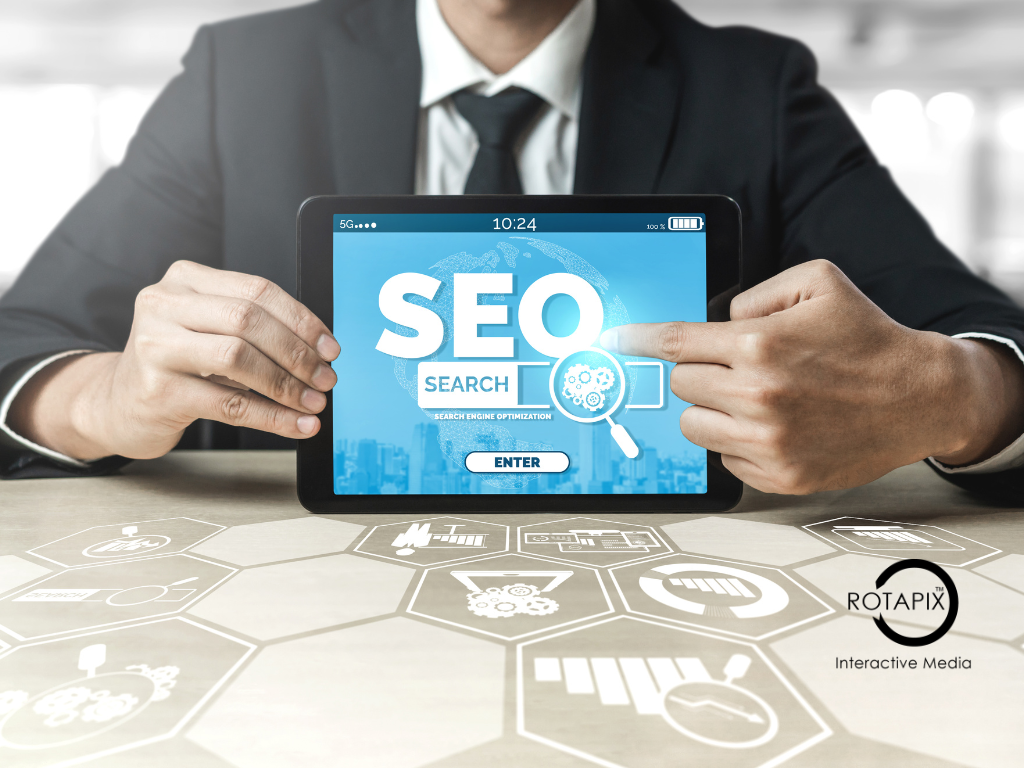
Of course, your product pages should always be helpful for customers. But now it’s just as important to consider how machines will read that content. With generative engine optimization, you’re not replacing traditional SEO — you’re building on it.
You’re writing for both audiences: the human and the AI. If your content is easy to read, properly structured, and filled with useful, clear information, it will work for both. Think of ai agents as smart assistants browsing your site. If they can’t quickly make sense of what you sell, they’ll pull answers from a competitor’s site that’s better optimised.
Using ai workflow to Keep Product Content Up to Date and AI-Friendly
Keeping your ecommerce content fresh is already important for search engines. But it’s even more important when it comes to AI. If your product info is out of date, inconsistent, or poorly maintained, it won’t just confuse shoppers — it could be left out of AI-generated summaries altogether.
That’s where having an ai workflow helps.
An ai workflow can be used to:
- Review and rewrite outdated descriptions
- Highlight missing data (like dimensions or compatibility)
- Suggest updates to fit current SEO and AI trends
- Monitor which products are appearing in AI summaries
When your product content is regularly updated through an ai workflow, it stays relevant and easy for both people and AI to understand. This helps keep your store visible and competitive in a world where buying decisions are often made before someone even clicks through.
How SEO Services Can Support generative engine optimization
Good SEO Is Still the Foundation for Visibility
If you’re already using SEO Services for your ecommerce site, you’re on the right track. Many of the same strategies that help you rank on Google also support generative engine optimization. Clean URLs, keyword-optimised headings, internal linking, fast page speed — they still matter.
However, GEO adds another layer. While traditional SEO helps you appear in search results, GEO focuses on making your content useful enough to be selected by ai agents and summarised in real-time. That’s why high-quality, informative content is more valuable than ever.
SEO teams can help by:
- Reviewing your site structure for AI clarity
- Updating meta descriptions and schema
- Creating content that answers common customer questions
- Ensuring every product has unique, well-written copy
Your existing SEO Services provider doesn’t need to be replaced — they just need to adapt their strategies to also consider how AI reads and uses your content.
GEO Is an Add-On, Not a Replacement
Some store owners worry that generative engine optimization will make SEO irrelevant. But that’s not the case. GEO is not about ditching SEO — it’s about extending it. In the future, both Google search and AI assistants will influence buying decisions. One will show a list of links. The other may give a direct product comparison or summary from multiple sites. If your site is set up for both, you win either way. So, while SEO gets you seen, GEO helps you get chosen.
Real Ways Your Product Pages Can Appeal to an ai agent
Search engines rank pages. But an ai agent makes decisions. It scans your content, checks how useful it is, and determines whether it can summarise your product in a way that answers a shopper’s query. This means your product content must be clear, structured, and informative — not just “filled with keywords.”
Here are a few ways to improve your visibility to ai agents:
- Write in full sentences with natural language
- Use numbered specs or bullet points for key features
- Answer common buyer questions directly on the product page
- Include comparisons or alternative use cases
- Add structured data to help with identification and category
Also, make sure your content isn’t vague or “salesy” with phrases like “best on the market” or “great value.” AI tools prefer factual, specific language — like actual dimensions, materials, or use scenarios. The goal is to help an ai agent easily understand what your product is, who it’s for, and why it stands out. When your page makes that clear, it has a better chance of being featured in AI-driven answers.
Final Thoughts
As AI tools continue to change how people search and shop online, generative engine optimization is becoming a key part of ecommerce growth. It’s not about replacing everything you’ve done — it’s about refining it for a new kind of audience: AI.
By combining smart use of ai workflow, adapting your content for ai agents, and building on your existing SEO Services, you can stay visible in both traditional and AI-powered search environments. Because in today’s digital world, you’re not just selling to people — you’re also informing the technology that helps them choose.